How to Choose the Best Paver Block Making Machine for Your Business
Selecting the right machinery is a crucial decision for any construction or tile manufacturing business. With the rising demand for strong and visually appealing paving solutions, investing in the right paver block making machine can directly impact productivity, product quality, and overall profitability. A well-chosen machine not only improves production efficiency but also ensures consistent output and long-term operational reliability.
Today, paver block making machines are available in various capacities, automation levels, and configurations, making it essential for businesses to evaluate their requirements carefully. In this guide, we will discuss what a paver block making machine is, how it works, the key factors to consider before buying one, and how the right choice can support business growth.
What is a Paver Block Making Machine?
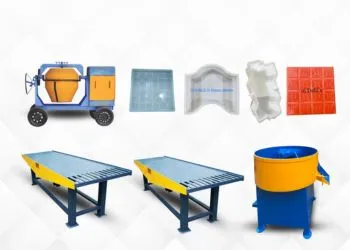
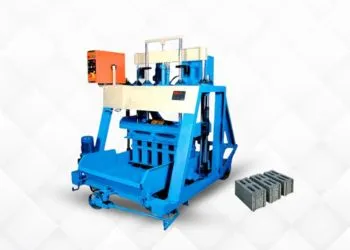
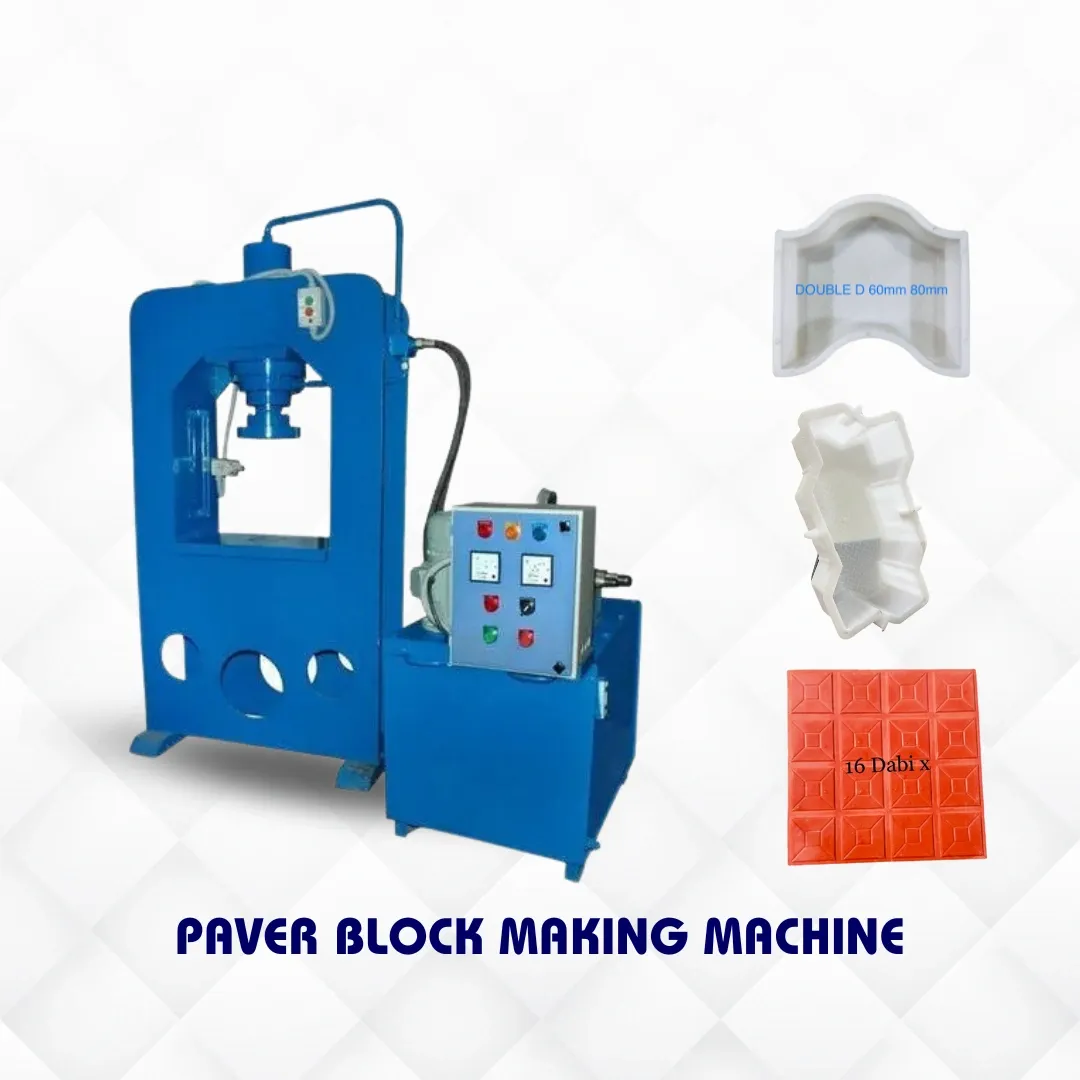
A Paver Block Making Machine is specialized equipment designed to manufacture concrete paver blocks in different shapes, sizes, and designs. These blocks are widely used for roads, driveways, footpaths, parking areas, and outdoor flooring due to their strength, durability, and load-bearing capacity. The machine uses raw materials such as cement, sand, aggregates, and water to produce uniform and high-density paver blocks suitable for heavy-traffic applications.
How Does a Paver Block Making Machine Work?
The manufacturing process begins with mixing cement, sand, aggregates, and water to form a consistent concrete mixture. This mixture is poured into moulds placed inside the machine. Through vibration and hydraulic or mechanical pressure, the concrete is compacted evenly to eliminate air pockets and ensure uniform density. After moulding, the blocks are removed and cured properly to achieve high strength, durability, and resistance to wear.
Key Factors to Consider When Choosing a Paver Block Making Machine
Production Capacity – Choose a machine that matches your daily or monthly output requirements
Level of Automation – Manual, semi-automatic, or fully automatic machines based on labor availability
Mould Flexibility – Ability to produce multiple shapes, sizes, and designs
Build Quality and Durability – Strong construction for long-term and heavy-duty use
Operating and Maintenance Costs – Energy efficiency and ease of maintenance
Space and Power Requirements – Compatibility with your factory layout and power supply
Applications of Paver Blocks
Paver blocks produced using modern machines are commonly used in residential driveways, commercial parking areas, industrial zones, public walkways, roads, and landscaping projects. Their strength, durability, and aesthetic appeal make them suitable for a wide range of infrastructure and construction applications.
Why the Right Machine is Important for Business Growth
Choosing the best paver block making machine ensures smooth production, consistent product quality, and reduced operational costs. The right machine helps businesses meet market demand efficiently, minimize downtime, and adapt to changing project requirements. By investing in suitable machinery, manufacturers can improve profitability, build customer trust, and achieve sustainable growth in the competitive construction industry.